Why New York’s Strong Scaffolding Laws Protect Workers
Short answer: New York’s Labor Law puts the responsibility for preventing falls and falling-object injuries on the property owners and general contractors who control a construction site, not on the worker who is hurt. Section 240(1), often called the Scaffold Law, requires proper safety devices for work at heights. It exists because gravity-related accidents on construction sites can cause catastrophic injuries and deaths, and because workers have little control over how a site is set up.
Free consultation: www.LiakasLaw.com | Call 24/7: 212-937-7765
What is New York’s Scaffold Law?
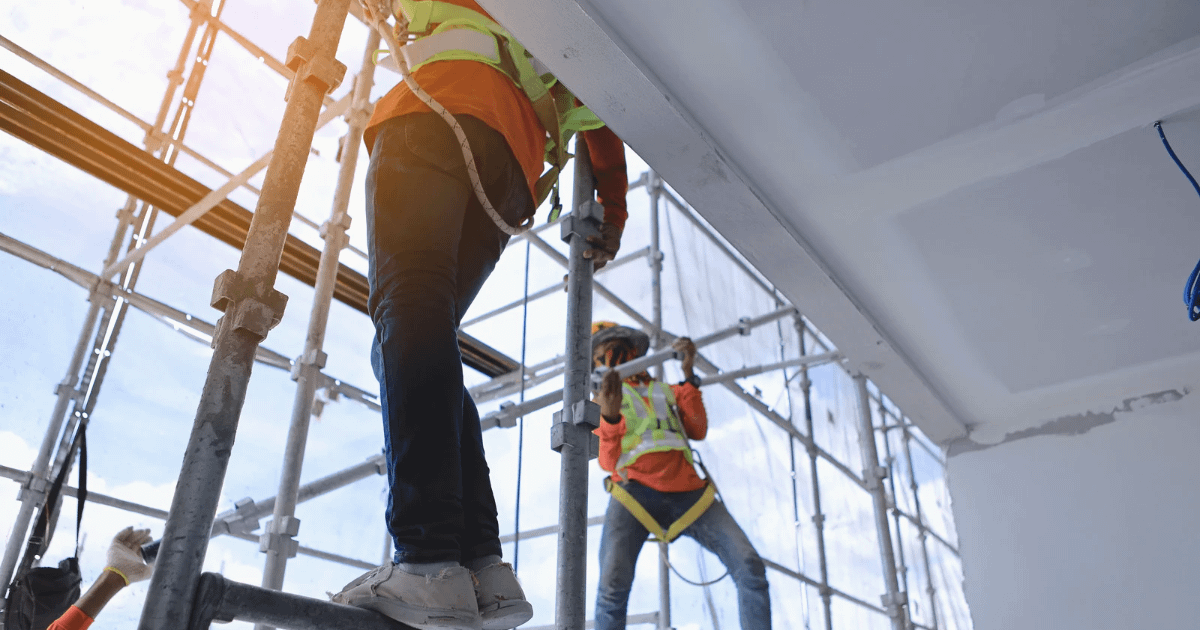
New York Labor Law Section 240(1), known as the Scaffold Law, has protected construction workers since the 19th century. It requires owners and contractors to provide and maintain devices such as scaffolds, hoists, ladders, braces, and safety railings that give workers proper protection when they work at heights or when materials can fall on them. You can read the statute on the New York State Senate website.
The law covers more than scaffolds. It applies to elevation-related hazards in general, including:
- Falls from scaffolds, ladders, roofs, and platforms
- Workers struck by falling tools, equipment, or building materials
- Hoist, crane, and lift failures
- Missing or inadequate guardrails, harnesses, and safety nets
Why does New York put responsibility on owners and contractors?
Workers do not choose the scaffold, decide how it is assembled, or control the schedule. Owners and general contractors do. The Scaffold Law places the duty to provide safe equipment with the parties who have the authority and the resources to do it.
Under the law, when a covered, gravity-related accident happens because required safety devices were missing, inadequate, or not properly used, the owner and contractor can be held liable without the injured worker having to prove ordinary negligence. In general, the worker’s own carelessness does not reduce that liability, though a defendant may argue that the worker’s conduct was the sole cause of the accident. Courts apply these rules to specific facts, and results differ from case to case.
What other New York laws protect construction workers?
Section 240(1) works alongside other provisions:
- Labor Law Section 241(6): Requires owners and contractors to comply with specific safety rules in the state’s Industrial Code, which covers areas such as scaffolds, openings, and protective equipment.
- Labor Law Section 200: Codifies the general duty to provide a reasonably safe workplace.
- Workers’ compensation: Provides medical benefits and partial wage replacement for most workers hurt on the job, regardless of who was at fault.
Workers’ compensation usually does not allow a lawsuit against your own employer. The Labor Law claims above are brought against third parties, such as the property owner or general contractor. A worker may be able to pursue both.
Why these protections matter
Falls remain a leading cause of death in construction nationwide, according to the U.S. Occupational Safety and Health Administration. Strong liability rules give owners and contractors a financial reason to invest in guardrails, harnesses, properly built scaffolds, and training before an accident happens.
The protections also affect what happens afterward. A fall from height can mean spinal injuries, traumatic brain injuries, broken bones, long recoveries, and permanent loss of earning ability. Workers’ compensation alone often does not cover the full impact on a worker and their family. The Scaffold Law lets an injured worker seek compensation from the parties responsible for the unsafe conditions.
What should you do after a construction accident in New York?
- Get medical care right away. Tell the provider the injury happened at work.
- Report the injury to your employer. Written notice protects your workers’ compensation rights, and deadlines are short.
- Document the scene. Photograph the scaffold, ladder, or equipment, the work area, and any missing safety devices, if it is safe to do so.
- Collect names. Write down coworkers who saw the accident and the names of the owner, general contractor, and subcontractors on the site.
- Keep records. Save medical bills, pay stubs, and any messages about the incident.
- Speak with a construction accident attorney early. Claims against public entities, such as city or state projects, can carry much shorter notice deadlines than private cases.
Frequently asked questions
What is the Scaffold Law in New York?
It is Labor Law Section 240(1), which requires owners and contractors to provide proper safety devices to protect workers from falls and falling objects at construction sites.
Does the Scaffold Law only cover scaffolds?
No. It covers ladders, hoists, cranes, and other elevation-related hazards, as well as workers struck by falling objects that required securing or protection.
Can I file a workers’ compensation claim and a lawsuit?
Often yes. Workers’ compensation covers an on-the-job injury, and you may also have a separate claim against a third party such as a property owner or general contractor. An attorney can review which options apply to you.
Does it matter if the accident was partly my fault?
Under the Scaffold Law, a worker’s own negligence generally does not reduce the owner’s or contractor’s liability, although defendants may argue the worker was the sole cause. An attorney can explain how this applies to your facts.
Does immigration status affect my right to file a claim?
Injured workers may have rights regardless of immigration status. You can speak with an attorney confidentially.
How long do I have to bring a claim?
Deadlines depend on the type of claim and who is responsible. Notice to your employer for workers’ compensation is short, and claims involving government entities have their own notice rules. Speak with an attorney as soon as you can.
About Liakas Law, P.C.
Liakas Law, P.C. is a New York City personal injury law firm representing construction workers and others injured in falls, scaffold and ladder accidents, vehicle accidents, and premises liability cases. This article is general information and not legal advice. Reading it does not create an attorney-client relationship.
Free consultation:www.LiakasLaw.com | Call 24/7: 212-937-7765
Attorney Advertising. Prior results do not guarantee a similar outcome.